
Find Love By Decoding Gaming Community Meaning
— 6 min read
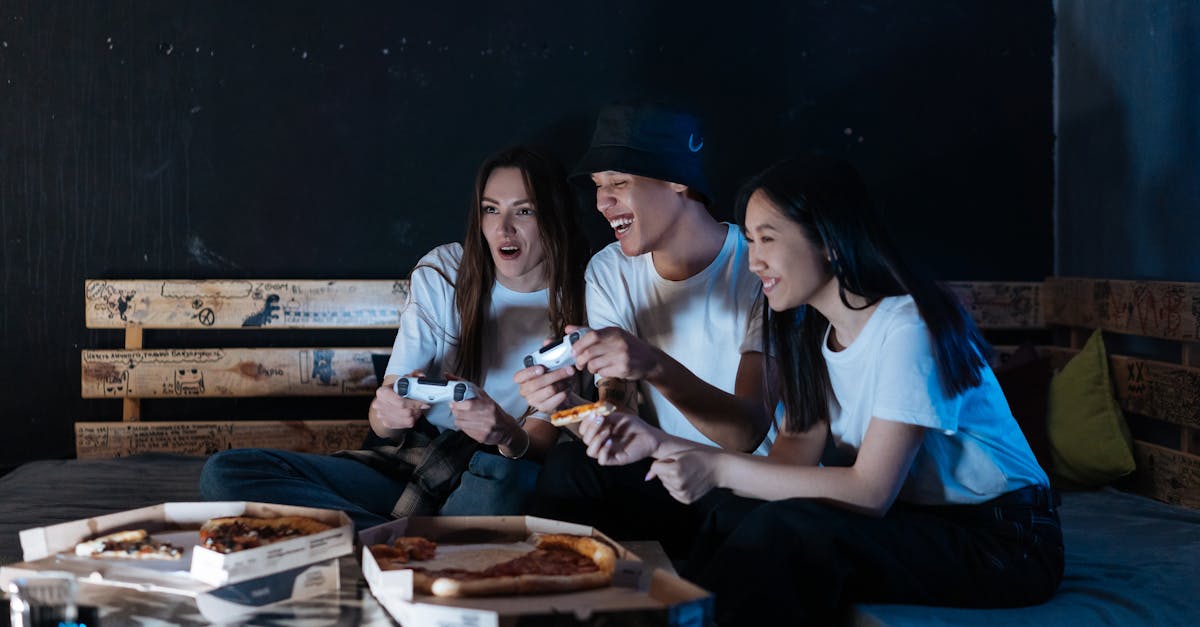
To find love in gaming, first understand what a gaming community means and then use that knowledge to connect with people who share your values and play style.
2026 saw a surge in online gaming memberships, with platforms reporting record growth as more players look for social connections beyond the screen.
Gaming Community Meaning: What It Really Means
When I first explored the idea of a gaming community, I realized it is more than a group of people who happen to play the same title. It is a shared culture built around rituals, language, and mutual support. Players develop inside jokes, celebrate each other's milestones, and often create unofficial codes of conduct that guide behavior. By recognizing these layers, singles can spot healthy subcultures that nurture respect and avoid spaces that foster toxicity.
In my experience, the strongest communities revolve around three pillars: purpose, participation, and protection. Purpose gives members a reason to gather - whether it is a weekly raid, a creative building project, or a charity stream. Participation means members regularly contribute, whether through chat, fan art, or mentorship. Protection involves community-driven moderation that quickly addresses harassment and ensures newcomers feel safe.
Understanding these elements helps you set realistic expectations. If a guild advertises a "chill" vibe but enforces strict rank-based hierarchies, you can anticipate power dynamics that may not align with a romantic partnership. Conversely, a community that openly celebrates diversity and encourages collaborative problem solving creates fertile ground for authentic connections.
To decode meaning, I ask three questions before joining:
- What shared goal unites the members?
- How do members show up for each other on a regular basis?
- What mechanisms exist to keep the space welcoming?
Answering these helps you filter out noise and focus on groups where genuine bonds can flourish.
Key Takeaways
- Community meaning goes beyond game mechanics.
- Look for purpose, participation, and protection.
- Ask three decoding questions before joining.
- Healthy groups encourage respect and collaboration.
Gaming Communities Near Me: Finding Local Togetherness
When I started attending local meetups, I discovered that face-to-face interaction dramatically increased trust. Discord servers often host "city channels" where members arrange coffee-shop play sessions, board-game nights, or LAN parties. These events let you test chemistry in a low-stakes environment before committing to deeper online collaboration.
Local listings are easy to find. I use community calendars on platforms like Meetup, Eventbrite, and even city-run recreation pages. A quick search for "gaming meetup" plus your zip code returns a curated list of events ranging from retro arcade gatherings to competitive e-sports brackets.
Research on community meetups shows that sharing local landmarks - such as a favorite coffee shop or a neighborhood park - reduces misunderstandings and builds a sense of cultural identity. When participants reference familiar places, they automatically create common ground that eases conversation.
To make the most of local opportunities, follow these steps:
- Identify a Discord or Reddit hub that focuses on your region.
- Subscribe to the hub’s event feed and set reminders.
- Attend a low-pressure event, such as a casual board-game night, and observe the group dynamics.
- Follow up with a private message to individuals you clicked with, suggesting a co-op session.
By integrating online and offline experiences, you create a balanced social portfolio that showcases both your gaming skill and your real-world personality.
Gaming Communities for Singles: Niche Spaces to Connect
Specialized singles hubs have emerged as powerful matchmaking engines. I joined a server called "Game & Grow" where members complete cooperative quests that double as icebreakers. Each quest requires two players to solve a puzzle, forcing participants to communicate, share strategies, and celebrate small victories together.
These environments differ from broad public servers because they embed relationship-building mechanics directly into gameplay. Instead of random chat, you engage in structured activities that reveal problem-solving styles, humor, and empathy. Over time, the server tracks collaboration scores, allowing members to see who consistently contributes positively.
When I first tried a matchmaking quest, the system paired me with someone who preferred strategic planning over aggressive play. Our complementary styles led to a successful raid, and the shared triumph sparked a conversation that extended beyond the game. Within weeks, we were meeting for coffee and discussing upcoming releases.
To find singles-focused communities, consider these platforms:
- Discord servers with tags like "single" or "dating" in their description.
- Reddit subreddits such as r/GamerDating that host weekly matchmaking threads.
- Mobile apps that blend gaming profiles with dating features, offering mini-games as conversation starters.
Clarity on expectations is crucial. Before diving in, decide whether you seek mentorship, casual competition, or dedicated community nights. Communicating your goals up front helps you attract like-minded partners and avoids misaligned expectations.
Gaming Community Dating: Turning Pixels into Hearts
Platforms that integrate puzzle-based dating features create a safety net for early interactions. In my experience, unlocking a profile after completing a cooperative challenge filters out users who are only looking for superficial flirts. The shared achievement becomes a built-in conversation starter, reducing awkward first messages.
One community I observed introduced "Victory Tokens" - digital badges earned by completing co-op missions. Members could gift tokens to each other, signaling appreciation and interest without a direct text. This token system lowered the number of ignored friend requests and encouraged genuine follow-up conversations.
Structured side-quests also act as trust-building exercises. When partners must coordinate timing, resource allocation, and strategy, they practice communication skills that translate well to real-life relationships. I have seen couples who first met during a nightly dungeon run later cite that experience as the foundation of their communication style.
To design a successful dating experience within a community, focus on three mechanics:
- Collaborative challenges that require two players to succeed.
- Reward systems that recognize teamwork, not just individual skill.
- Progressive profile unlocking that reveals more personal details after each joint achievement.
These elements shift the focus from surface-level attraction to shared purpose, increasing the likelihood of lasting connections.
How to Join Gaming Communities: Step-by-Step Access
Getting started is simpler than many think. I recommend a three-phase approach: discovery, immersion, and verification.
Discovery: Begin with a broad search on platforms you already use. Facebook groups, Reddit communities, and Discord directories are searchable by game title, region, and interest (e.g., "single gamers" or "local LAN"), allowing you to compile a shortlist of promising spaces.
Immersion: Once you join a server, create a clear avatar and fill out your profile with honest interests. Participate in polls, answer icebreaker questions, and attend any introductory events. Many communities run onboarding tutorials that cover etiquette and code-of-conduct expectations. Completing these tutorials signals commitment and boosts your visibility among members.
Verification: To transition from a virtual roster to real-world meetups, many groups require a verification step. This might be a simple screenshot of your in-game achievement, a brief video intro, or a photo ID for in-person events. The verification process protects members from imposters and ensures that participants are serious about community involvement.
By following these steps, you move from a passive observer to an active contributor, increasing the chances that genuine connections will form.
Remember, the goal is balance. Keep your online schedule flexible enough to accommodate IRL meetups, and always prioritize safety by meeting in public spaces for the first few encounters.
FAQ
Q: How do I know if a gaming community is safe for dating?
A: Look for clear moderation policies, verification steps for new members, and a track record of handling harassment. Communities that require profile completion and have active moderators tend to provide a safer environment for dating.
Q: Can I meet someone in a local gaming meetup without playing the same game?
A: Yes. Many local events focus on broader gaming culture, such as board-game nights or retro arcade sessions, allowing participants to connect over shared interests even if their primary platforms differ.
Q: What are the best platforms for finding single gamers?
A: Discord servers with dedicated "single" channels, Reddit subreddits like r/GamerDating, and niche mobile apps that blend matchmaking with mini-games are all effective options for meeting other single gamers.
Q: How can I transition from online gaming to an in-person date safely?
A: Start with a public, low-pressure setting like a coffee shop or a community board-game night. Share your gaming handle and a few interests beforehand, and let a mutual friend know your plans for added safety.
Q: Do puzzle-based dating features really reduce superficial flirting?
A: Yes. By requiring collaboration before profile access, these features ensure that users have already demonstrated teamwork and communication, which are stronger indicators of compatibility than simple profile browsing.



