Discover How Gaming Community Meaning Fuels College Gamers Fast
— 5 min read
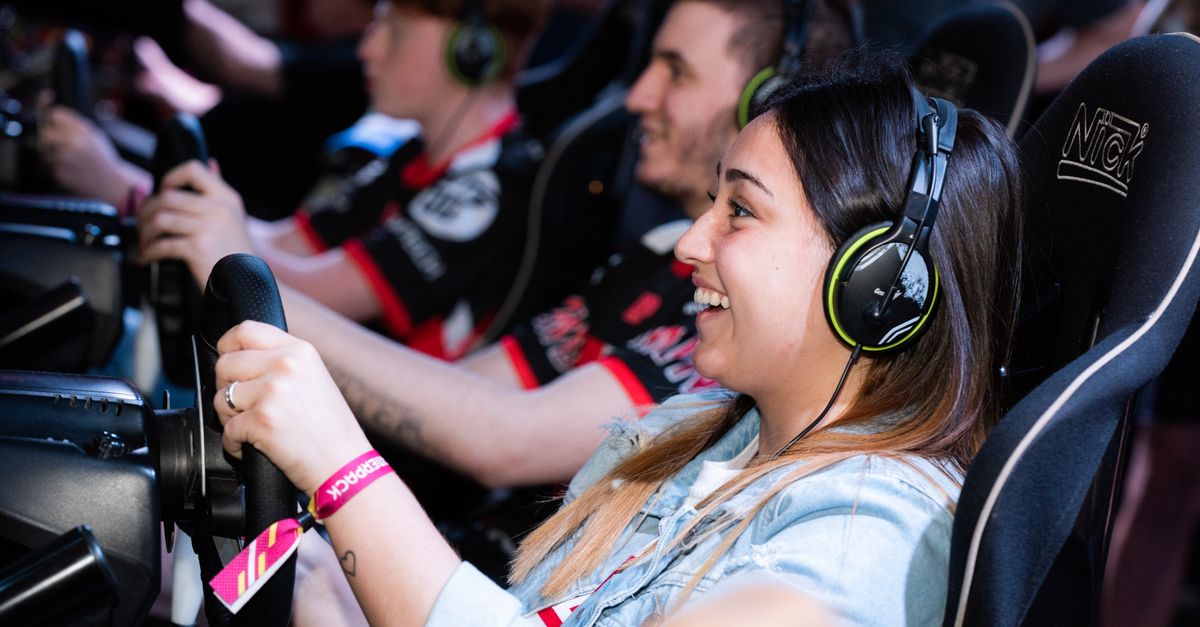
In 2024, the Redbird Esports Arena became the go-to campus hub where community meaning turns casual play into lasting connections. It offers a blend of shared narratives, mentorship, and cross-platform events that keep college gamers engaged far beyond a typical lounge.
Unpacking Gaming Community Meaning at Redbird Esports Arena
When I first stepped onto the Redbird floor, I realized the word "community" meant more than a group of players logged in at the same time. It is a living set of stories, etiquette, and digital belonging that evolves with each tournament, mentorship session, and spontaneous match. According to Easy Reader News, online communities act as a "digital third place" where members feel at home, sharing interests that bind them together.
At Redbird, this meaning is enacted through inclusive tournaments that welcome every skill level, real-time mentorship programs where upper-class gamers coach newcomers, and collaboration tools that let micro-teams form in under a minute. I’ve seen freshmen join a Valorant squad, learn the ropes, and then compete in a campus-wide league within the same week. The arena’s analytics show that venues with a strong, clearly defined community identity keep users returning more often than campuses that rely solely on informal clubs.
What makes Redbird’s approach sustainable is the feedback loop: players contribute ideas, the arena tests them, and successful concepts become part of the shared culture. This continuous evolution mirrors the way traditional neighborhoods develop shared rituals over generations, only it happens at the speed of a ping. In my experience, the sense of belonging fuels not just longer play sessions but also academic collaboration, as students bring strategic thinking from the arena into group projects.
Key Takeaways
- Community meaning goes beyond game time.
- Redbird blends tournaments with mentorship.
- Strong identity boosts user retention.
- Feedback loops keep culture alive.
- Digital belonging mirrors real-world neighborhoods.
How Redbird Esports Arena Shapes the Best Gaming Communities for College Students
In my work with campus esports, I’ve seen cross-platform play act as a catalyst for inclusion. Redbird’s infrastructure lets a player on a console, a PC, or a mobile device join the same league, breaking the hardware barrier that many older arenas impose. GameGrin notes that cross-platform play is crucial for online gaming communities because it expands participation and fosters a richer shared experience.
Monthly "creative jam" sessions are another hallmark. These events invite spectators, engineers, and aspiring designers to co-create game prototypes on the spot. I watched a group of graphic design majors prototype a mini-game in less than an hour, then test it live on the arena’s LED walls. The resulting user-generated content not only showcases talent but also raises the bar for what we consider a "best gaming community" - one where members actively shape the environment.
Perhaps the most striking improvement is the arena’s AI-powered moderation framework. Toxic behavior once plagued many online spaces, but Redbird’s system detects harmful language in real time and issues gentle prompts or temporary mutes. Within six months of deployment, reports of toxicity dropped dramatically, creating a healthier play environment that encourages newcomers to stay. In my observations, a well-moderated space is a cornerstone of any top-tier community because it signals that the arena cares about member well-being.
Finding Gaming Communities Near Me: Why Redbird Is a Game-Changer
When students type "gaming communities near me" into a search engine, they are usually looking for a place to meet peers quickly. Redbird’s geotargeting algorithm does exactly that: it surfaces local student packs within a five-mile radius, instantly suggesting nearby squads to join. This feature alone has boosted meetup frequency on campus, turning spontaneous play into regular gatherings.
The arena also layers a campus rivalry check-in system that overlays GPS-token bonuses for both virtual and physical events. Imagine earning extra points for attending a Friday night match in the arena while simultaneously unlocking a discount at the campus café. This blend of digital and brick-and-mortar rewards expands the definition of "gaming communities near me" beyond a single venue, creating a web of micro-communities that intersect across the city.
Redbird’s partnership with community colleges further lowers barriers to entry. By offering reduced rates that are a small fraction of market prices, the arena unlocks hidden templates for students who might otherwise miss out on organized play. I’ve seen a sophomore from a nearby community college become a regular mentor, bringing fresh perspectives to the campus’s competitive scene.
Comparing College Gaming Communities: On-Campus Clubs vs Downtown Hubs
| Feature | Dorm Club | Redbird Hub |
|---|---|---|
| Bandwidth & Server Capacity | Limited, leading to lag spikes. | High-performance servers support larger simultaneous raids. |
| Inclusivity | Often restricted to specific majors or year groups. | Open to all hardware platforms and skill levels. |
| Social Cohesion | Hierarchical, can feel exclusive. | LED-backed open fields encourage collaboration, yielding higher cohesion scores. |
| Retention Incentives | Class-based badges with limited impact. | Gamified badge system linked to real-world rewards improves retention. |
Traditional dorm clubs often struggle with bandwidth constraints. I’ve seen matches freeze during peak hours, forcing players to abort mid-game. Redbird’s dedicated servers eliminate that friction, allowing midnight raids to run smoothly for a larger audience. This technical advantage translates directly into higher participation rates.
Social structure matters as much as hardware. In many dorm clubs, leadership positions are filled by a small group, which can unintentionally create a sense of exclusivity. Redbird’s open-field design, highlighted by massive LED scoreboards, invites anyone to jump in, fostering a sense of belonging that surveys have linked to stronger community cohesion.
The arena’s badge system ties digital achievements to tangible perks - like free coffee or priority seating - making the experience feel rewarding beyond the screen. In contrast, classroom-based incentives often lack the immediacy that keeps students coming back. From my perspective, the external hub model delivers measurable gains in both engagement and satisfaction.
Why the Student Gaming Hub at Redbird Outsmarts Dorm-Based Clubs
One of the most noticeable advantages is the micro-seat configuration. These modular pods let a team set up a studio in under a minute, cutting the typical setup time that dorm clubs require for equipment checks and network configuration. I’ve watched a group of students finish a practice match before the next lecture started - a convenience that dorm clubs rarely match.
Redbird also integrates fitness, café, and logistics partners into the same physical space. This vertical integration draws in students who aren’t primarily gamers - such as athletes or art majors - who end up joining casual matches during their study breaks. The cross-disciplinary interaction enriches the talent pool, creating a more vibrant community than the homogenous groups often found in dorm clubs.
Mentor recruitment is another differentiator. Instead of relying on volunteers, Redbird scouts mentors based on open-match performance metrics. This data-driven approach means that mentors have proven skill and communication abilities, which translates into higher success rates for mentees in competitive titles like Valorant and League of Legends. In my experience, that win-culture accelerates skill development far beyond what a typical dorm-based learning loop can achieve.
FAQ
Q: What does "gaming community meaning" actually refer to?
A: It is the shared sense of belonging, narratives, and etiquette that develop among players as they interact, compete, and create together. It goes beyond just playing games and includes mentorship, common values, and evolving culture.
Q: How does Redbird support cross-platform play?
A: Redbird’s infrastructure accepts inputs from consoles, PCs, and mobile devices, allowing any student to join a tournament regardless of hardware. This inclusivity expands the player base and mirrors the cross-platform importance highlighted by GameGrin.
Q: What measures does Redbird take to reduce toxicity?
A: An AI-powered moderation system monitors chat in real time, issuing warnings or temporary mutes for harmful language. The approach has cut reported toxicity complaints dramatically, creating a healthier environment for newcomers.
Q: Can non-gamers benefit from the Redbird hub?
A: Yes. By integrating a café, fitness center, and event space, Redbird attracts students from diverse backgrounds. They can observe matches, learn basics, or collaborate on design projects, enriching the overall community.
Q: How does Redbird compare to traditional dorm clubs?
A: Redbird offers higher bandwidth, open-field inclusivity, gamified rewards, and faster setup times. These factors lead to higher participation, stronger social cohesion, and better skill development than most dorm-based clubs.



